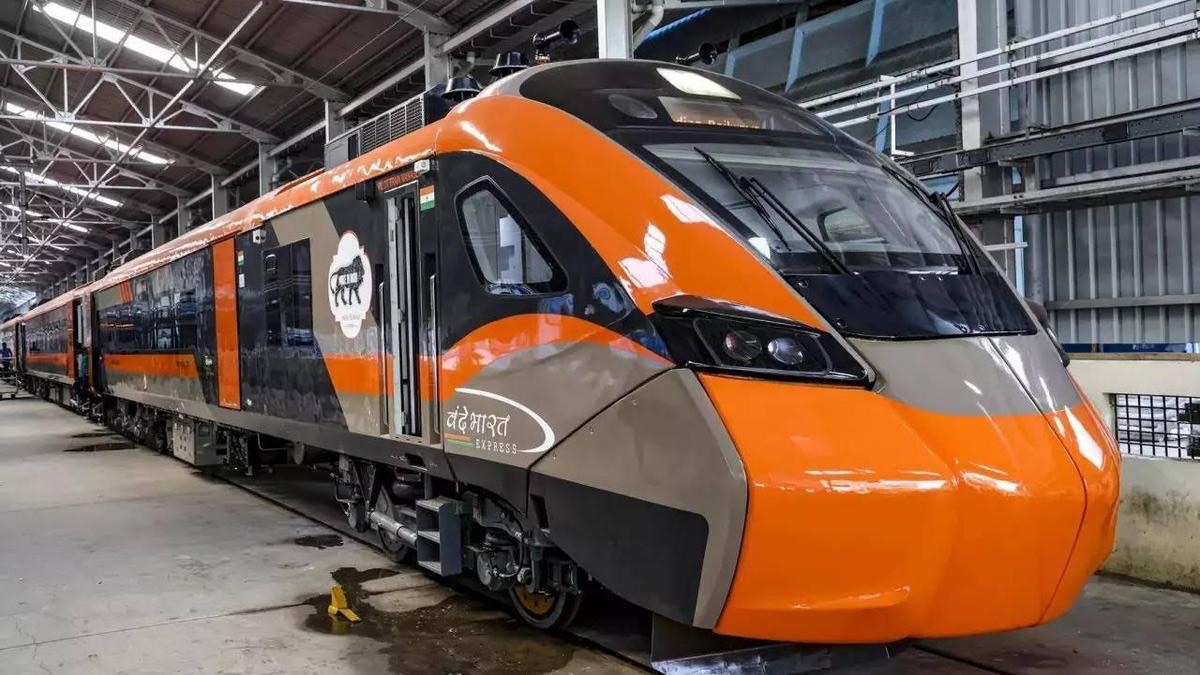
India’s First Vande Bharat Sleeper Train Set to Begin Service on Kamakhya–Howrah Route

Indian Railways is accelerating its push toward modern overnight rail travel with plans to introduce the country’s first Vande Bharat Sleeper train, and key operational details for its debut run on the Kamakhya (Guwahati)–Howrah (Kolkata) route have now surfaced.

According to an internal memorandum, the Northeast Frontier Railway (NFR) submitted tentative operating schedules to the Railway Board on December 15, 2025. The document confirms that the premium sleeper service is being planned as a fast, dedicated overnight train, designed to enhance long-distance connectivity between Eastern and Northeastern India. The self-propelled train set is expected to cover the 966 km journey in approximately 14 hours and 30 minutes, achieving an average speed of 66.62 kmph.

Proposed Overnight Timings

As per the draft schedule, the train will depart Kamakhya (KYQ) at 7:00 PM and arrive at Howrah (HWH) at 9:30 AM the following morning. For the return journey, departure from Howrah is planned at 6:00 PM, with arrival at Kamakhya at 8:30 AM the next day.

A key halt has been proposed at Malda Town (MLDT), where the train will stop for 10 minutes—from 4:50 AM to 5:00 AM on the down run and 10:30 PM to 10:40 PM on the up run.

The service is currently planned to run six days a week, with primary maintenance at Kamakhya and secondary maintenance at Howrah.

Improved Regional Connectivity

Within the NFR zone, the proposed stoppages include Rangiya, Barpeta Road, New Bongaigaon, Kokrajhar, New Cooch Behar, New Jalpaiguri, and Kishanganj. These halts are expected to provide faster and more comfortable travel options for passengers across multiple districts in Assam and West Bengal.

Modern Features & Passenger Comfort

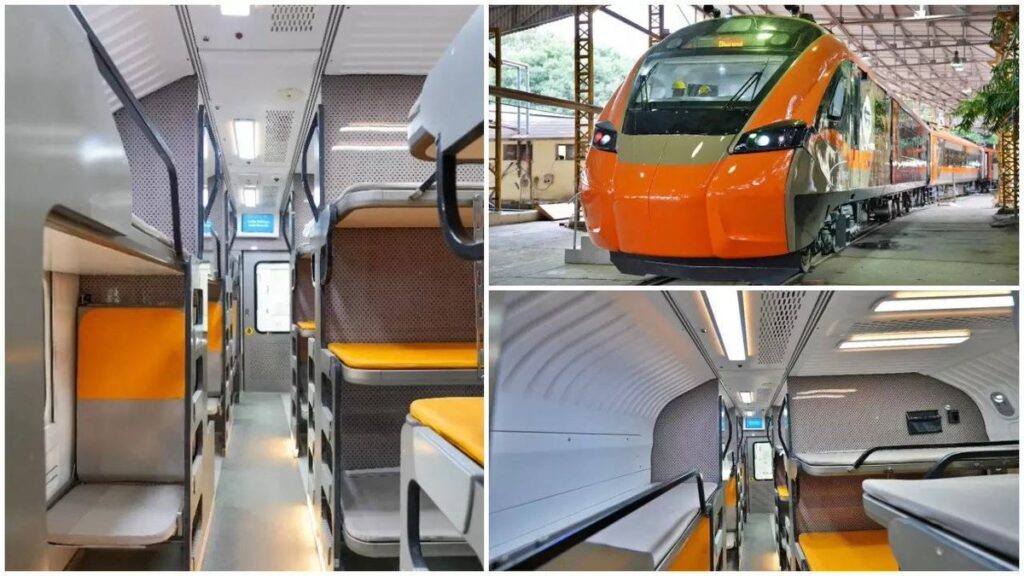
As per available information, the Vande Bharat Sleeper train will comprise 16 fully air-conditioned coaches, offering AC First Class, AC Two-Tier, and AC Three-Tier accommodations, with a total capacity of around 823 passengers. The indigenous train has successfully completed high-speed trials up to 180 kmph and is equipped with the KAVACH anti-collision system, highlighting Indian Railways’ focus on safety and advanced technology.

While official fares are yet to be announced, early estimates suggest that the AC 3-tier fare between Guwahati and Kolkata could be around ₹2,300 for a one-way journey.
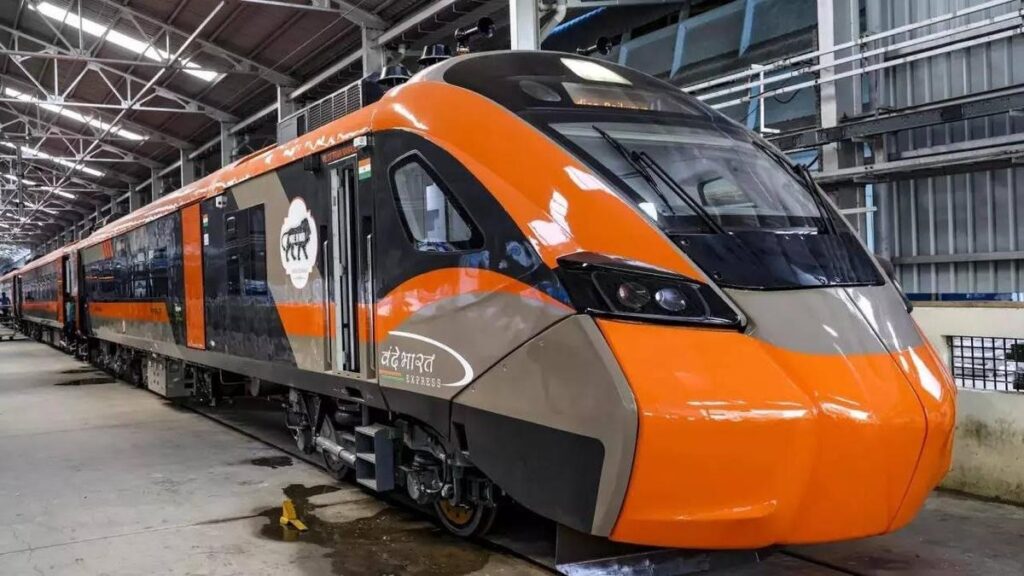
Narasapur–Chennai Vande Bharat Express: Train Number, Fare, Schedule, Route and Key Details

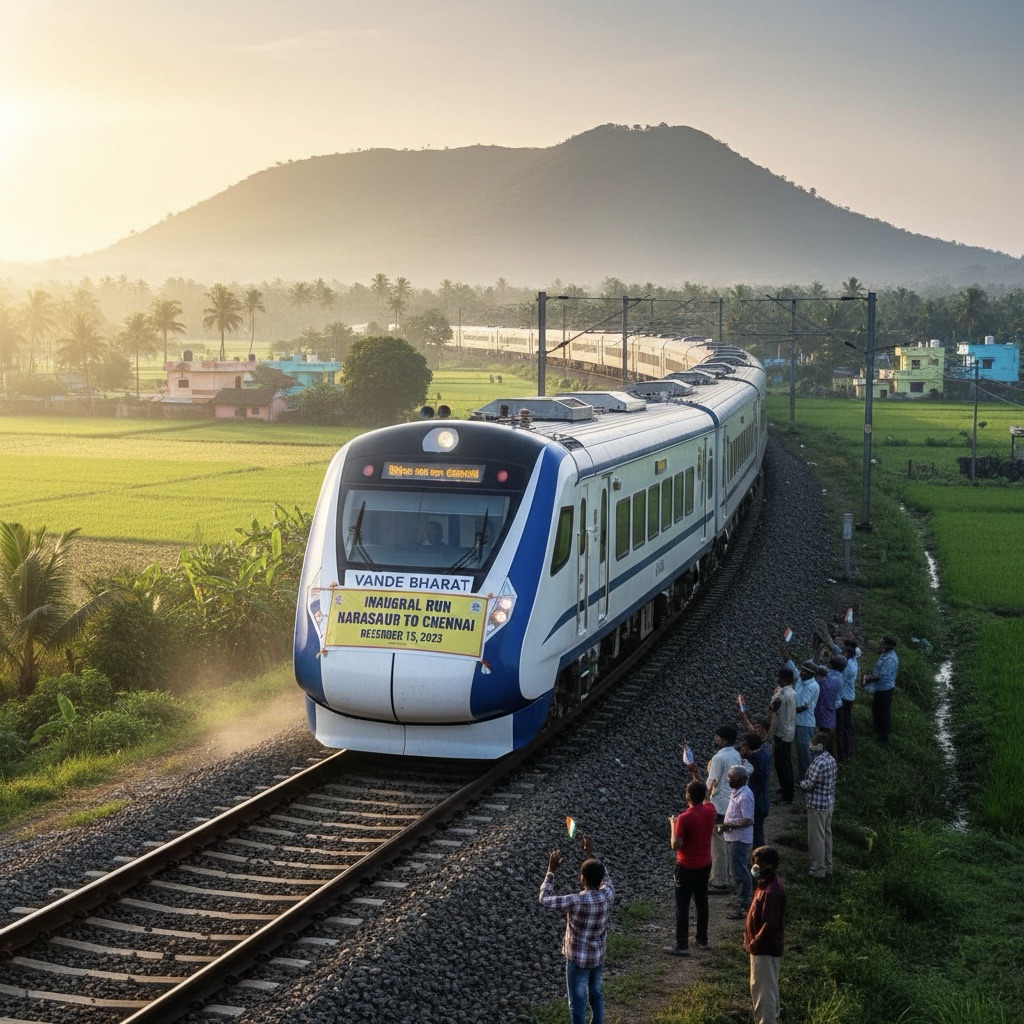
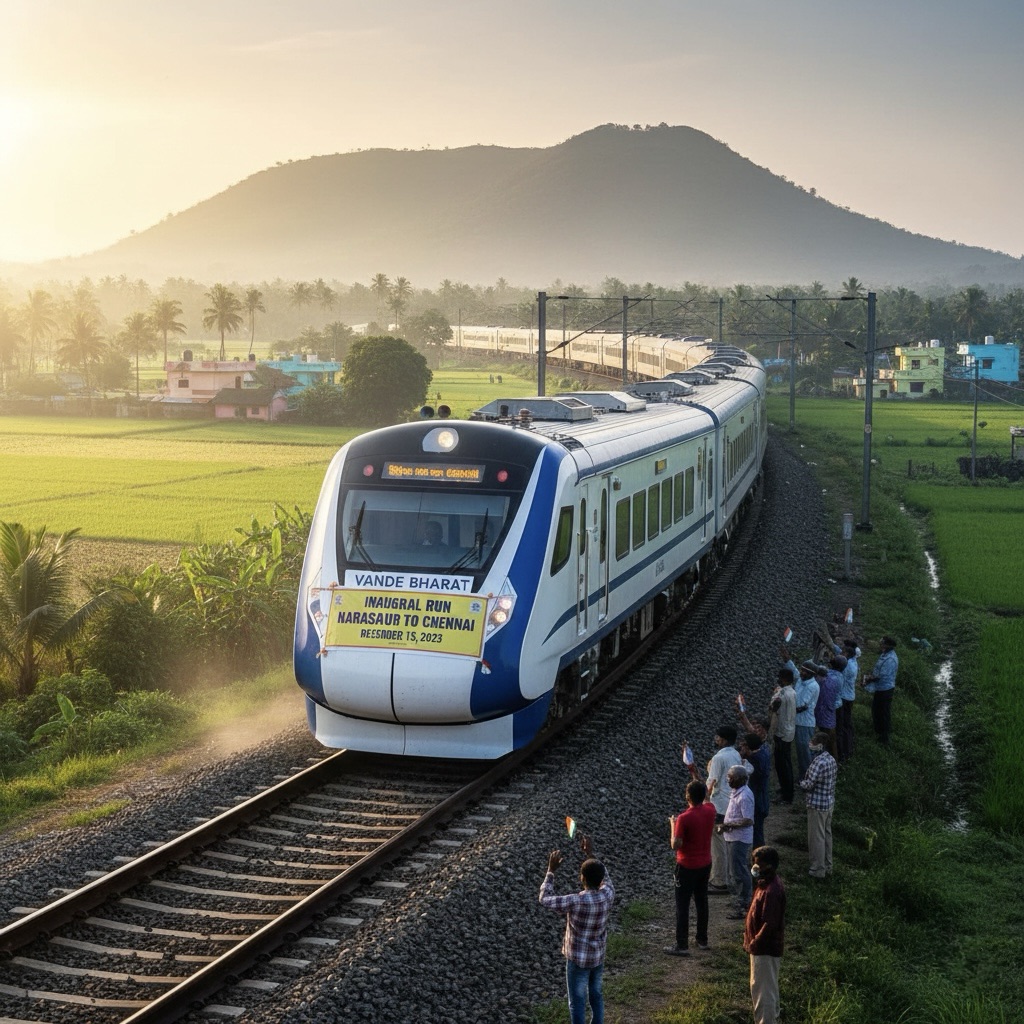
Indian Railways is set to boost semi-high-speed rail connectivity between Andhra Pradesh and Tamil Nadu with the launch of the Narasapur–Chennai Vande Bharat Express. The new service will start commercial operations from December 15, offering faster travel, limited halts and modern onboard facilities for passengers.

While the Vande Bharat service from Narasapur to Chennai will begin on December 15, the Chennai to Narasapur service will commence from December 17. This extension is expected to significantly reduce journey time and improve intercity connectivity along the busy coastal corridor.

Official announcement by Southern Railway

According to Southern Railway, the existing Dr MGR Chennai Central–Vijayawada Vande Bharat Express (Train No. 20677/20678) will be extended up to Narasapur.

Train No. 20677 (Dr MGR Chennai Central–Vijayawada Vande Bharat Express), which runs six days a week except Tuesdays, will be extended to Narasapur from December 17, 2025. Train No. 20678 (Vijayawada–Dr MGR Chennai Central Vande Bharat Express) will be inaugurated and extended to run from Narasapur starting December 15, 2025.

Narasapur–Chennai Vande Bharat: Distance and travel time

The Narasapur–Chennai Vande Bharat Express will cover a distance of approximately 655 kilometres in around 8 hours and 55 minutes, making it one of the fastest rail options on this route.

Narasapur–Chennai Vande Bharat stoppages

During its journey between Dr MGR Chennai Central and Narasapur, the Vande Bharat Express will halt at seven key stations:

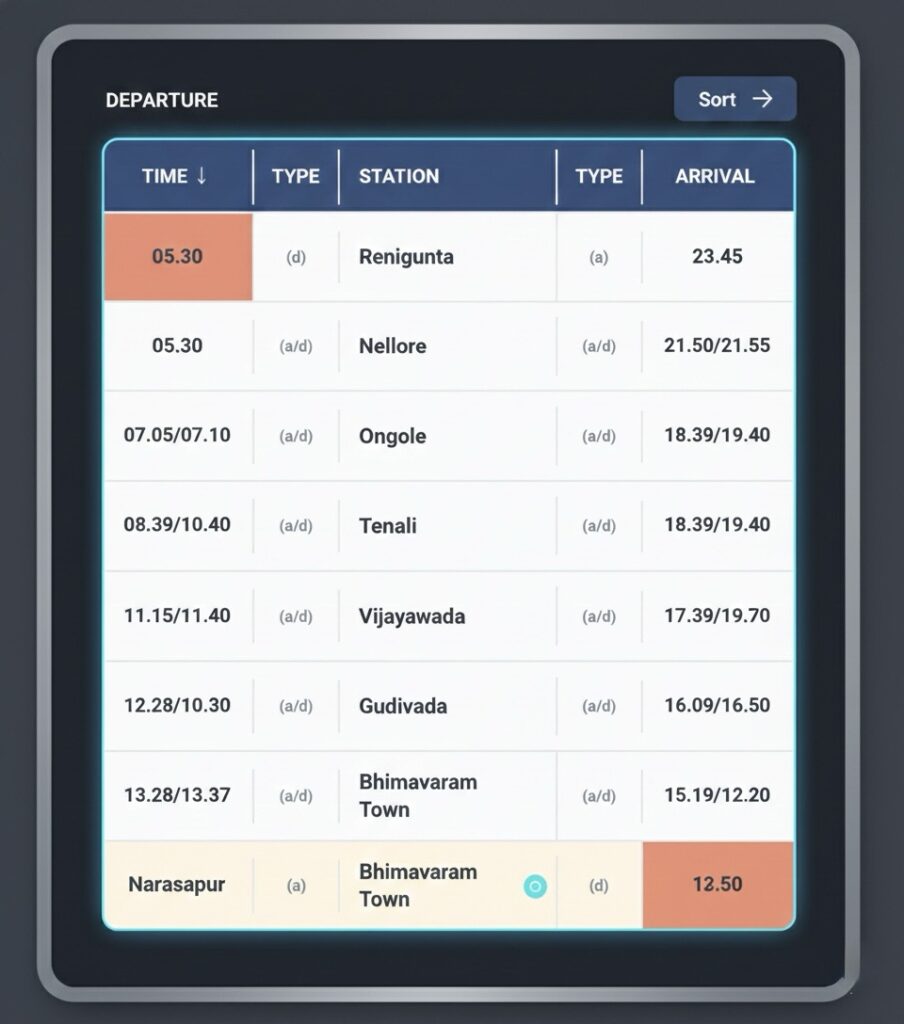
Renigunta Junction Nellore Ongole Tenali Junction Vijayawada Junction Gudivada Junction Bhimavaram Town

These stops ensure connectivity for major cities and towns across Andhra Pradesh.

Narasapur–Chennai Vande Bharat timetable

Train No. 20677 (Chennai → Narasapur) Departs Dr MGR Chennai Central at 05:30 hrs Arrives at Narasapur at 14:10 hrs Train No. 20678 (Narasapur → Chennai) Departs Narasapur at 14:50 hrs Reaches Dr MGR Chennai Central at 23:45 hrs

Why this Vande Bharat train matters

The introduction of the Narasapur–Chennai Vande Bharat Express is expected to benefit daily commuters, business travellers and tourists by offering shorter travel time, improved comfort and reliable scheduling, strengthening rail links between coastal Andhra Pradesh and Chennai.

India’s First High-Speed Rail Project: Mumbai–Ahmedabad Bullet Train Makes Progress in Maharashtra

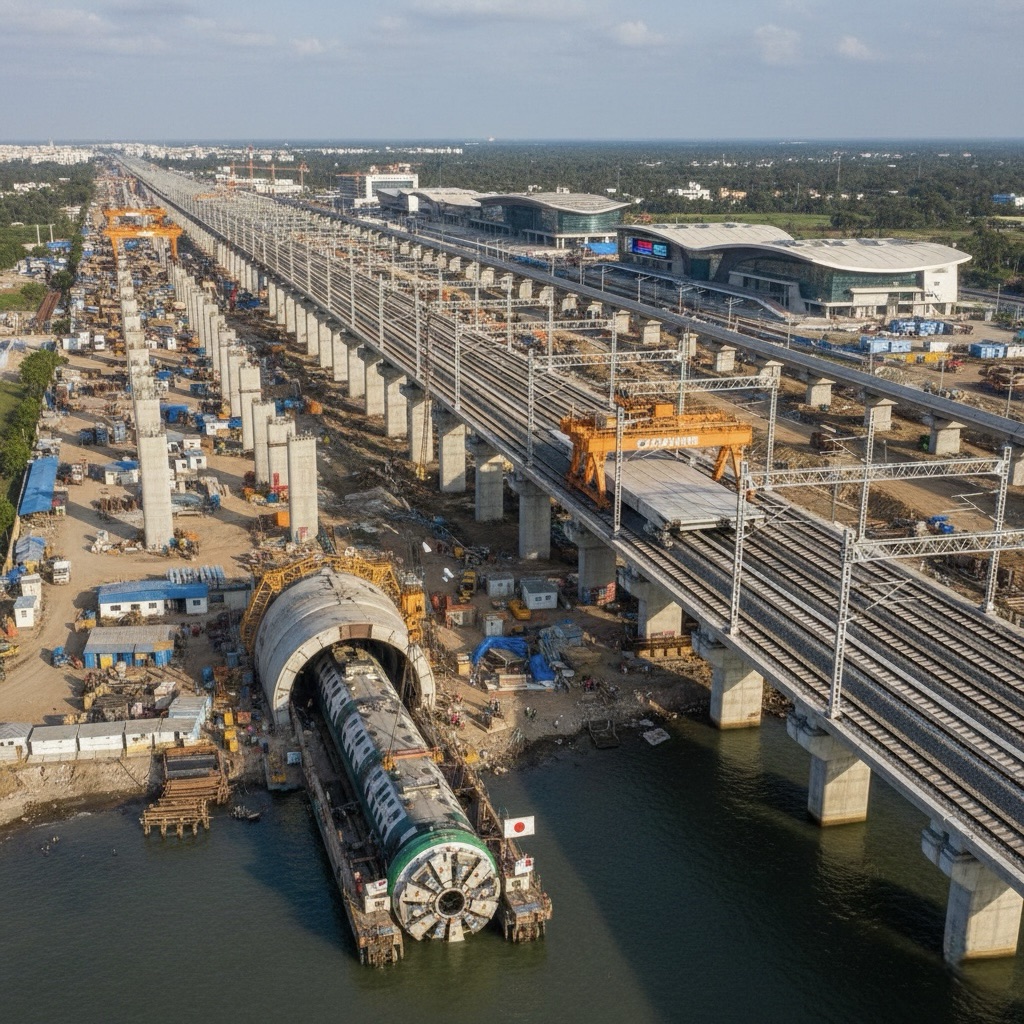
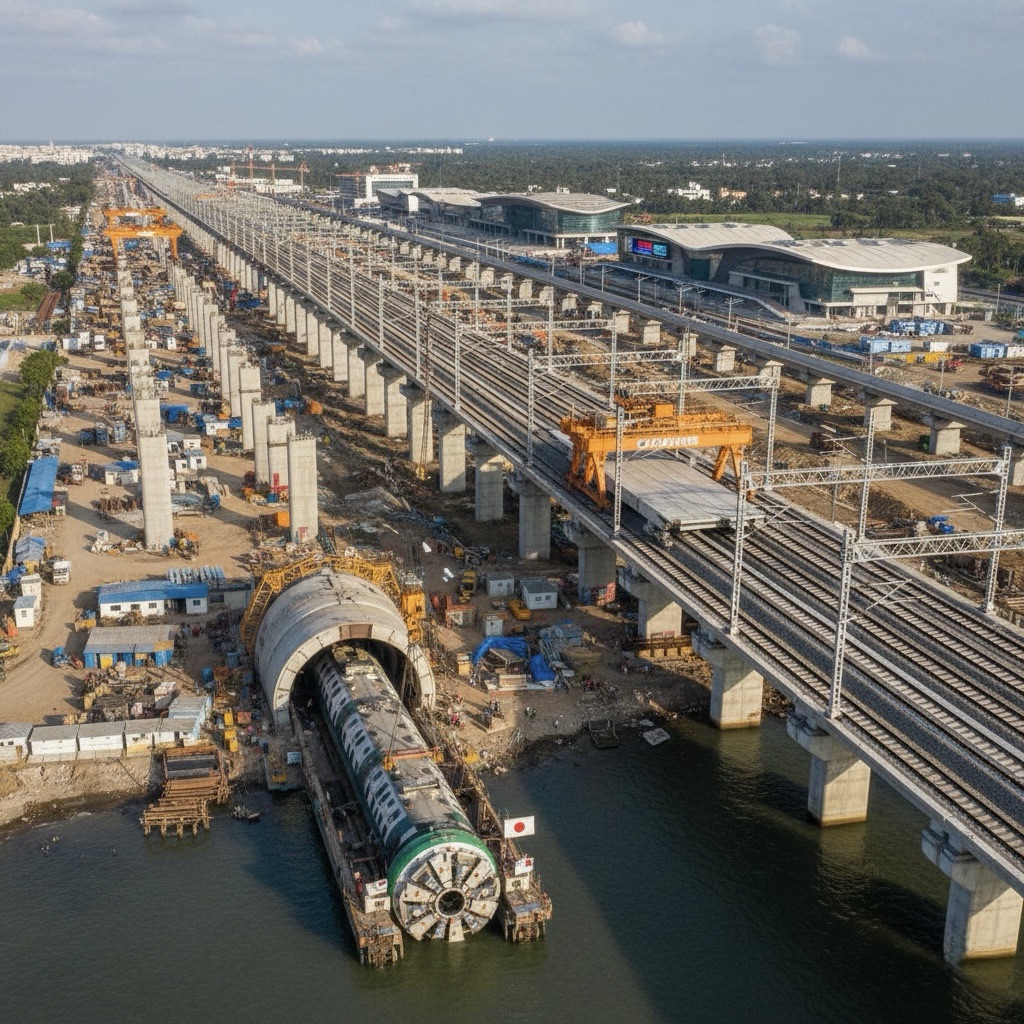
The Mumbai–Ahmedabad High-Speed Rail project has made notable headway in Maharashtra, with construction activity progressing at multiple locations. The Central Government has informed Parliament that foundation work is currently underway at three stations in the state, while tunnelling work is advancing on the project’s under-sea section.

Responding in writing to a Lok Sabha query on December 10, Railway Minister Ashwini Vaishnaw stated that station foundation works are ongoing at Thane, Virar, and Boisar. He also confirmed that around four kilometres of the planned 21-kilometre under-sea tunnel between Ghansoli and Shilphata have already been completed.

Official figures indicate that Maharashtra has seen the completion of approximately 62 kilometres of foundation work, along with 55 kilometres of pier construction. Girder casting has progressed for about five kilometres, while girder launching has been carried out over one kilometre so far.

The 508-kilometre-long Mumbai–Ahmedabad High-Speed Rail corridor is being developed with financial and technical support from Japan. The route passes through Maharashtra, Gujarat, and the Union Territory of Dadra and Nagar Haveli and Daman and Diu, and will feature 12 stations, including Mumbai, Thane, Virar, Boisar, Vapi, Bilimora, Surat, Bharuch, Vadodara, Anand, Ahmedabad, and Sabarmati.

In Gujarat, the project has advanced significantly. Data shared by the Railway Minister shows that foundation work spanning 352 kilometres and pier construction over 351 kilometres have been completed. Girder casting and launching have reached 339 kilometres and 328 kilometres respectively.

Track laying has been finished along 124 kilometres in Gujarat, while overhead electrical mast installation has progressed across 80 kilometres. Additionally, foundation work has been completed at all planned stations in the state, including Vapi, Bilimora, Surat, Bharuch, Vadodara, Anand, Ahmedabad, and Sabarmati.

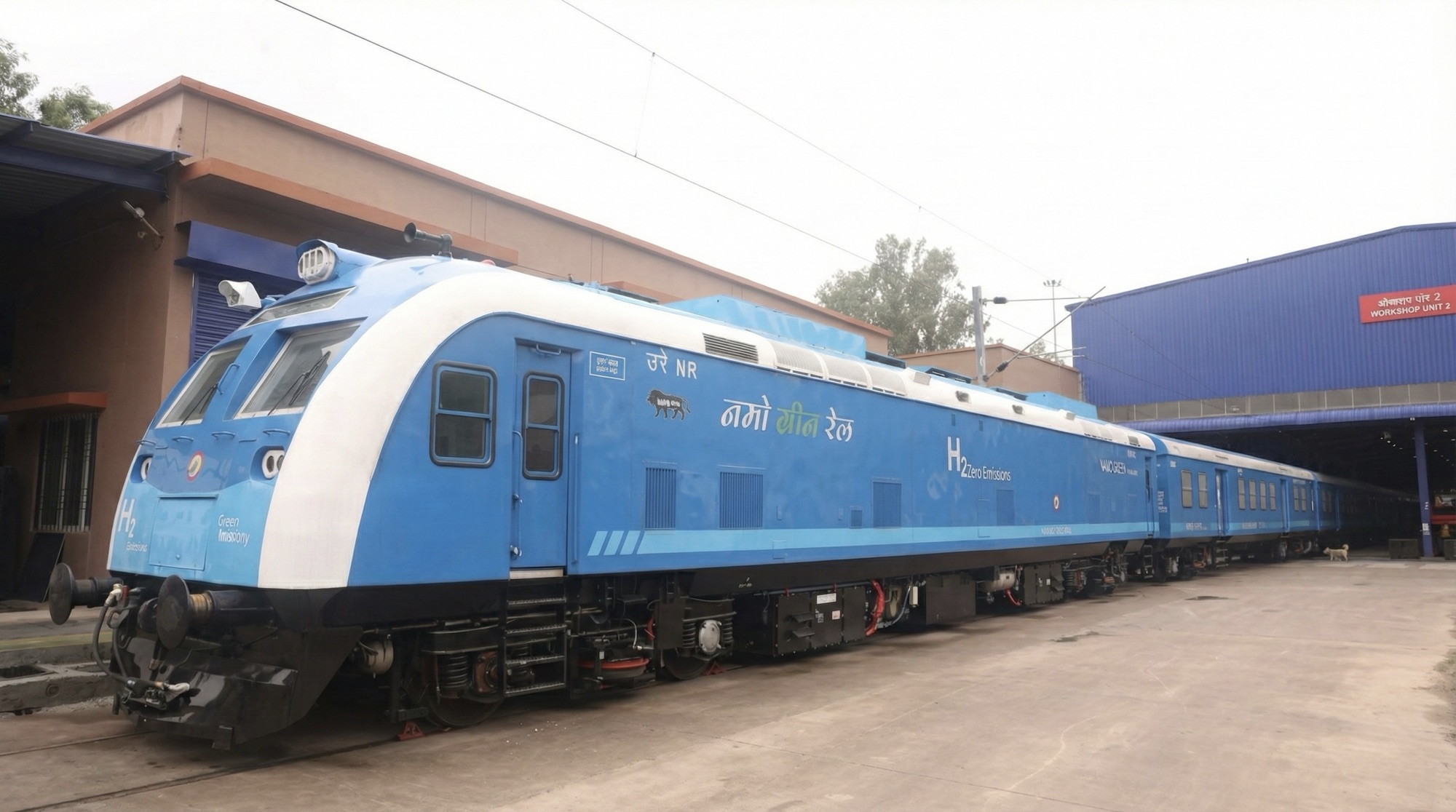
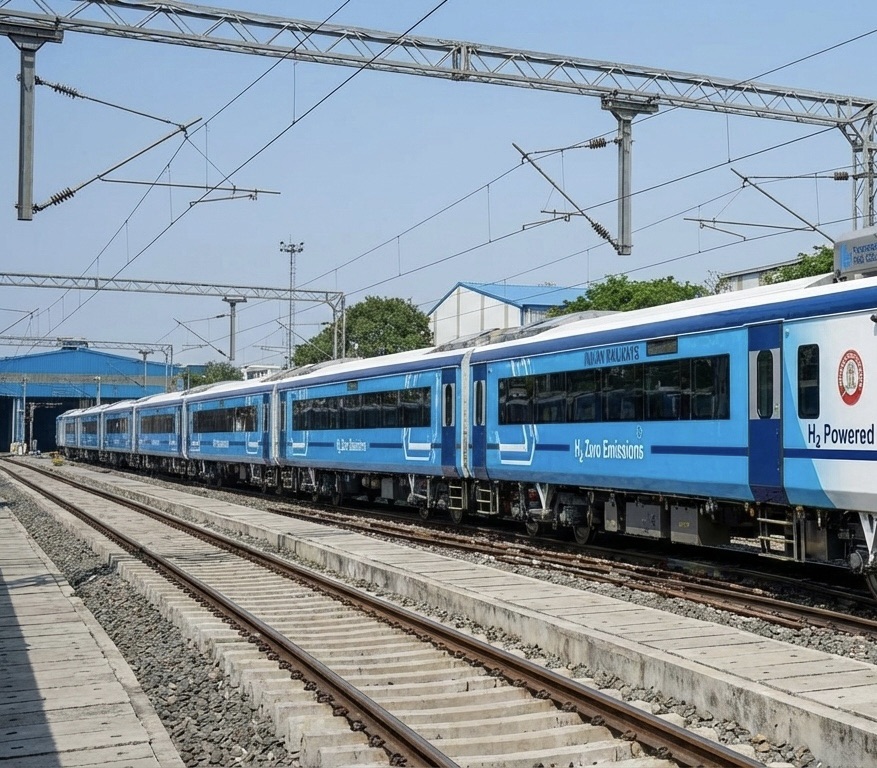
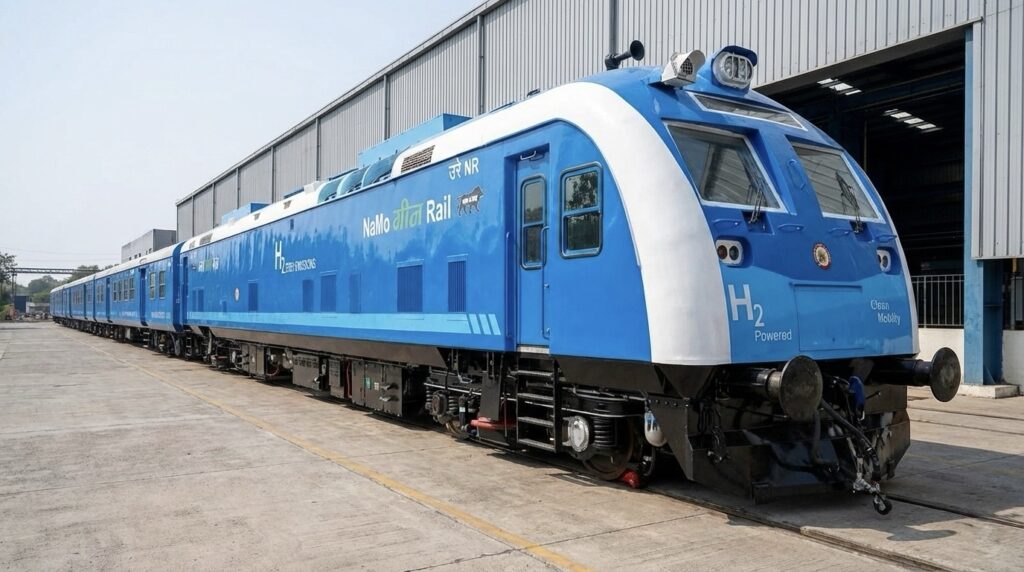
Indian Railways set to launch its first hydrogen-powered train, highlighting India’s self-reliance.

Indian Railways is set to introduce its first hydrogen-powered train, reflecting India’s progress in clean energy adoption and its commitment to the Atmanirbhar Bharat mission. This landmark initiative represents an important step towards developing environmentally friendly and self-reliant rail transport solutions. The hydrogen train has been developed as a pilot project to demonstrate the feasibility of using hydrogen as a clean fuel for future railway operations, following the standards formulated by the Research, Design & Standards Organisation (RDSO). Information regarding this development was shared by Railway Minister Ashwini Vaishnaw in the Lok Sabha.

The Minister stated that the manufacturing of India’s first hydrogen-powered train has now been fully completed. To support its operations, a dedicated hydrogen generation plant has been planned at Jind. This facility will produce hydrogen through the process of electrolysis, a key method for generating green and sustainable hydrogen fuel, ensuring an eco-friendly supply system for the train.

The hydrogen train-set has been entirely designed and developed within the country, highlighting Indian Railways’ strong push towards self-reliance under the Atmanirbhar Bharat initiative. The project showcases advanced indigenous technology and engineering capabilities, reinforcing India’s ability to develop modern and sustainable rail solutions independently.

According to the Minister, this hydrogen-powered train is currently the longest in the world on a broad-gauge network, consisting of ten coaches. It is also the most powerful hydrogen train globally, generating a total power output of 2400 kW. The configuration includes two driving power cars, each producing 1200 kW, along with eight passenger coaches, making it a significant technological achievement for Indian Railways.

A key highlight of the hydrogen train is its zero-emission operation. Since the train runs on hydrogen fuel, it does not emit carbon dioxide; instead, the only by-product released is water vapour. This makes it a highly eco-friendly alternative and an important step towards reducing pollution and lowering the environmental impact of rail transportation.

The Railway Minister emphasised that this project marks the beginning of next-generation fuel technology for Indian Railways. For the first time, the entire ecosystem—ranging from design and prototyping to the development of hydrogen-based traction systems—has been created indigenously. As this is a pilot initiative, he noted that comparing its cost with conventional train systems would not be appropriate at this stage.

Overall, the hydrogen train project highlights Indian Railways’ strong commitment to sustainable development and cleaner energy solutions. It sets the foundation for the future adoption of alternative fuels and represents a significant move towards building a greener, more environmentally responsible, and self-reliant rail transport system in India.

Nearly 80% of Indian Railways tracks are now capable of supporting speeds over 110 kmph.

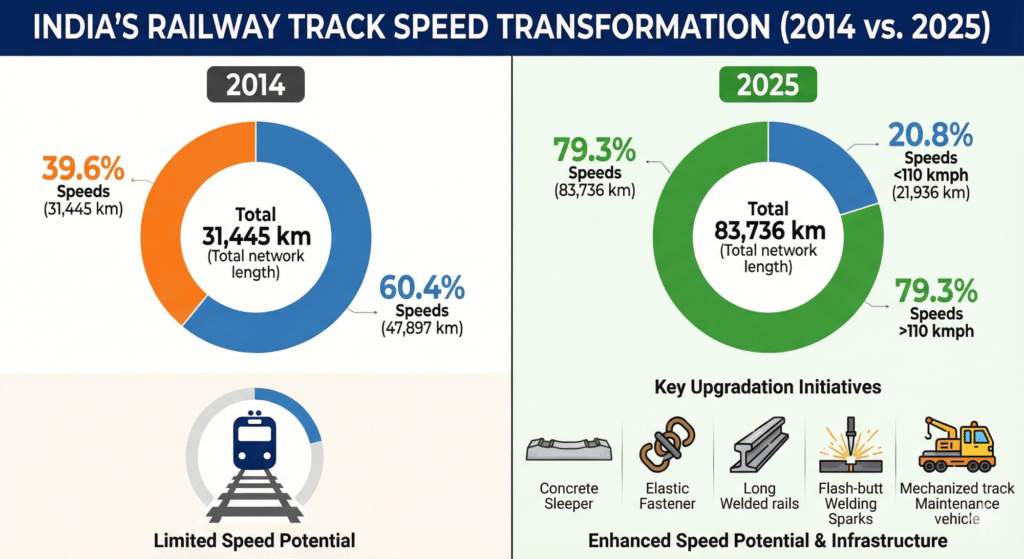
Nearly 80 per cent of India’s railway track network is now capable of supporting train speeds exceeding 110 kmph, reflecting a significant transformation in rail infrastructure over the past decade, the Ministry of Railways informed the Lok Sabha on Wednesday (10 December).

In a written reply, Railway Minister Ashwini Vaishnaw stated that track sections designed for speeds of 110–130 kmph and 130 kmph and above together span 83,736 km, accounting for 79.3 per cent of the total railway network as of November 2025. This marks a sharp rise from 2014, when only 31,445 km about 39.6 per cent of the network was rated for speeds above 110 kmph.

The highest speed bracket of 130 kmph and above has seen the most notable growth, expanding more than fourfold from 5,036 km (6.3 per cent) in 2014 to 23,010 km (21.8 per cent) in 2025. Similarly, tracks supporting speeds between 110–130 kmph have increased from 26,409 km to 60,726 km, now forming the largest segment of the network.

At the same time, the length of tracks limited to speeds below 110 kmph has reduced substantially from 47,897 km in 2014 to 21,936 km by November 2025 bringing their share down to 20.8 per cent of the total network.

Vaishnaw attributed this progress to extensive track upgradation initiatives undertaken over the past 11 years to enhance speed potential across Indian Railways. These measures include:

Installation of wider pre-stressed concrete sleepers to improve track stability Adoption of elastic rail fastenings for enhanced vibration control Deployment of long welded rails to minimise joints and speed restrictions Use of advanced flash-butt welding technology for stronger rail joints Mechanised track maintenance with high-output machines to ensure precision and efficiency

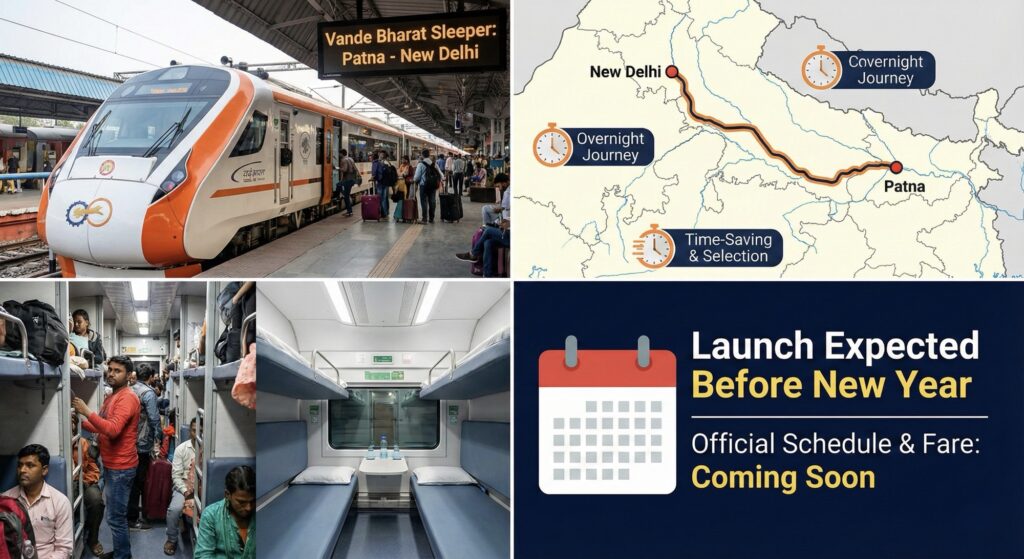
Patna–Delhi Vande Bharat sleeper to cover 1,000 km in just 8 hours – key highlights.

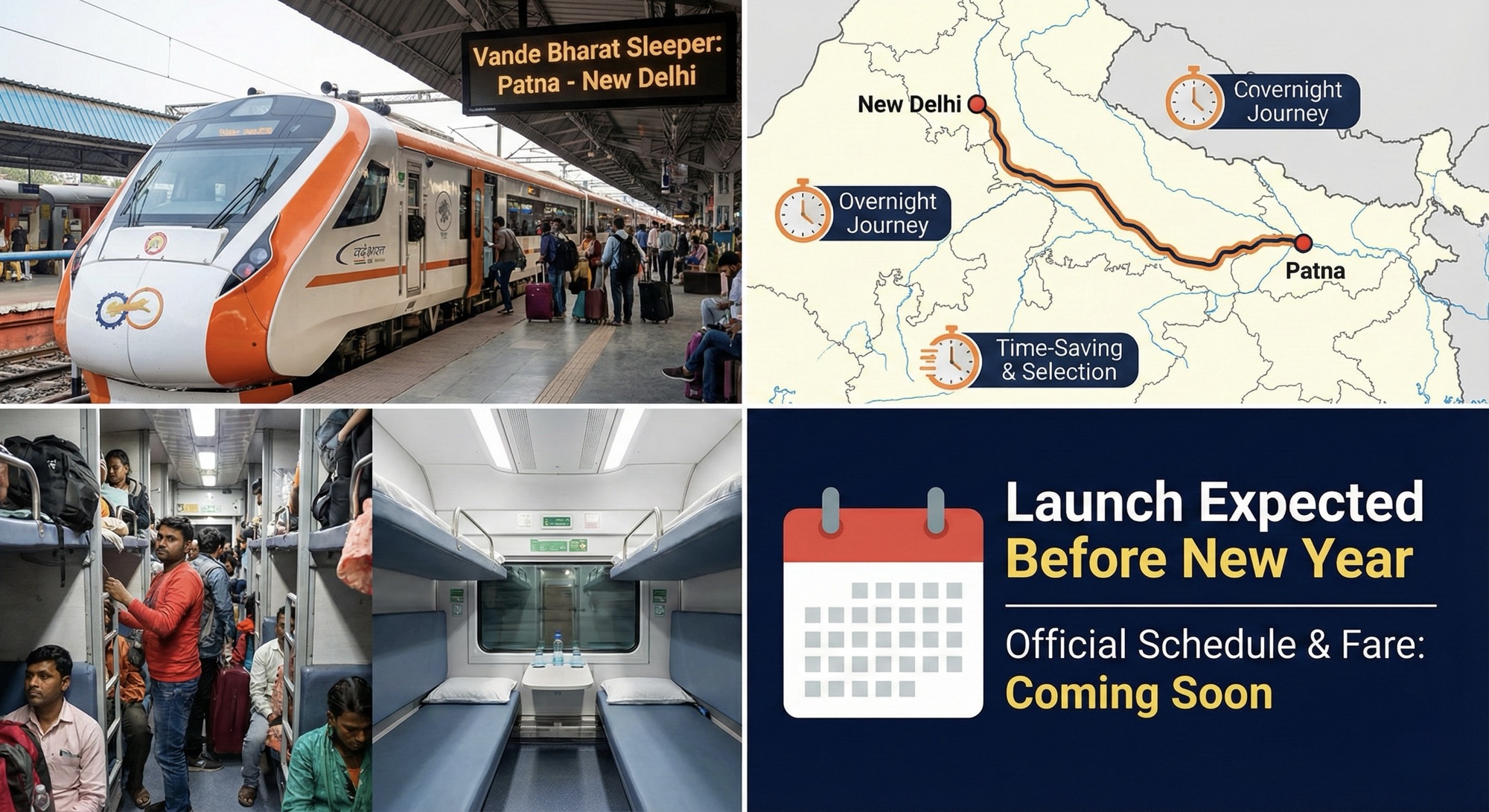
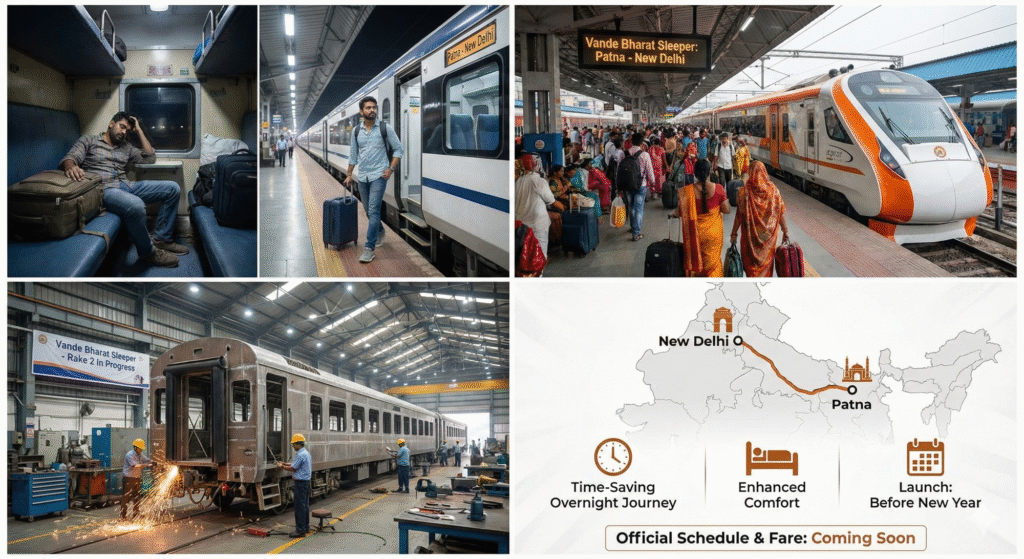
Indian Railways is preparing to introduce the first-ever sleeper edition of the Vande Bharat Express on the Patna–New Delhi route. This upgraded version is designed for overnight journeys and is expected to cover roughly 1,000 km in about eight hours, with operating speeds touching 160 km/h.

This marks a major shift from the current Vande Bharat fleet, which is primarily chair-car based. The new sleeper model focuses on long-distance comfort, offering padded berths, refined interiors, soft ambient lighting, touchless fittings, bio-vacuum toilets, and automated doors. The overall design aims to give passengers a hotel-like experience while travelling through the night.

Safety remains a priority, with features such as crash-optimised coaches, improved fire safety systems, CCTV surveillance, and an anti-collision mechanism built into the train.

The Patna–Delhi sleeper Vande Bharat is planned to operate six days a week and will run with a 16-coach configuration, providing ample berths on a route that sees consistently high demand. Although the Railways has not revealed the exact ticket pricing yet, the fare is expected to be comparable to premium services like the Rajdhani.

For travellers commuting between Bihar’s capital and the national capital, this service could significantly reduce travel fatigue. Passengers can board at night, rest comfortably, and reach their destination early the next morning eliminating the need for a hotel stay and cutting down total travel time. This will be especially beneficial during festive seasons, busy office trips, or sudden travel plans.

One rake has already finished its trial runs, while another set is reportedly under construction to ensure steady operations. The official timetable, fares, and complete route map are likely to be announced soon, with the launch expected before the New Year.

Patna–Delhi Vande Bharat sleeper to cover 1,000 km in just 8 hours – key highlights.

Indian Railways is preparing to introduce the first-ever sleeper edition of the Vande Bharat Express on the Patna–New Delhi route. This upgraded version is designed for overnight journeys and is expected to cover roughly 1,000 km in about eight hours, with operating speeds touching 160 km/h.

This marks a major shift from the current Vande Bharat fleet, which is primarily chair-car based. The new sleeper model focuses on long-distance comfort, offering padded berths, refined interiors, soft ambient lighting, touchless fittings, bio-vacuum toilets, and automated doors. The overall design aims to give passengers a hotel-like experience while travelling through the night.

Safety remains a priority, with features such as crash-optimised coaches, improved fire safety systems, CCTV surveillance, and an anti-collision mechanism built into the train.

The Patna–Delhi sleeper Vande Bharat is planned to operate six days a week and will run with a 16-coach configuration, providing ample berths on a route that sees consistently high demand. Although the Railways has not revealed the exact ticket pricing yet, the fare is expected to be comparable to premium services like the Rajdhani.

For travellers commuting between Bihar’s capital and the national capital, this service could significantly reduce travel fatigue. Passengers can board at night, rest comfortably, and reach their destination early the next morning eliminating the need for a hotel stay and cutting down total travel time. This will be especially beneficial during festive seasons, busy office trips, or sudden travel plans.

One rake has already finished its trial runs, while another set is reportedly under construction to ensure steady operations. The official timetable, fares, and complete route map are likely to be announced soon, with the launch expected before the New Year.

Railways to the Rescue of IndiGo Passengers

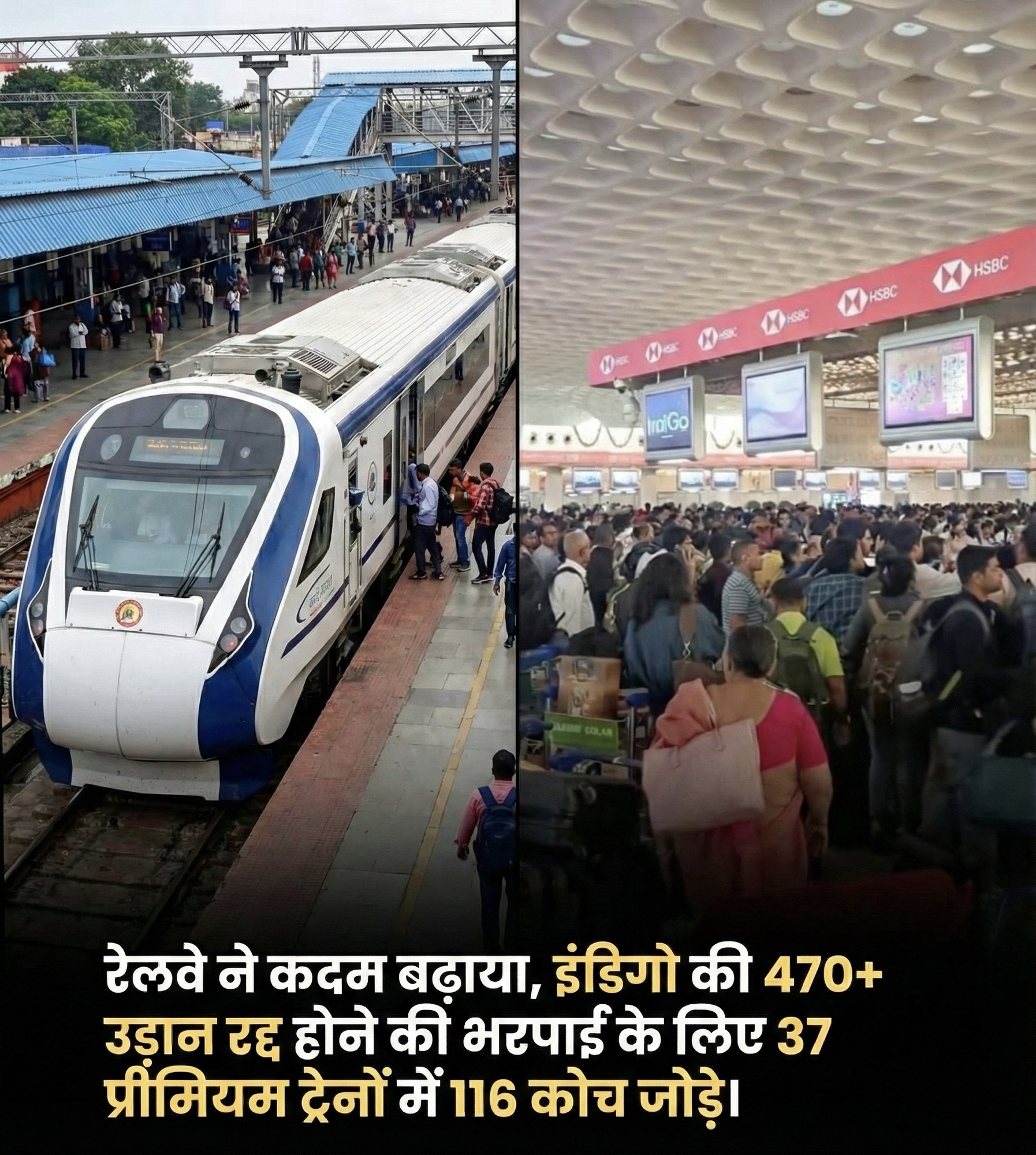
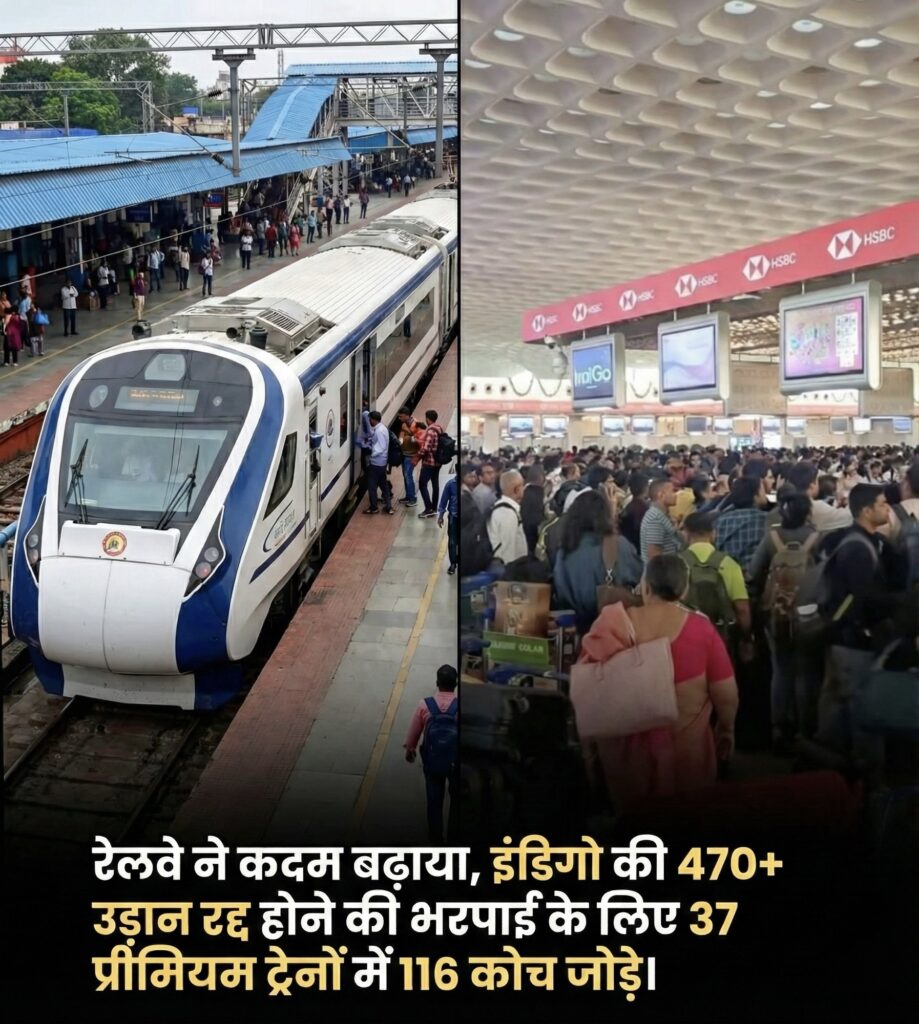
The chaos unfolding across Indian airports this week is being termed one of the most severe operational meltdowns in recent aviation history. IndiGo, the country’s largest carrier with a market share exceeding 60%, has been forced to cancel over 470 flights in the last 24 hours alone, marking the fifth consecutive day of mass disruptions.

The collapse is driven by a convergence of three critical factors:

1. New Pilot Roster Rules (FDTL): The primary trigger is the botched transition to the Directorate General of Civil Aviation’s (DGCA) new Flight Duty Time Limitation (FDTL) norms. These rules, implemented to prevent pilot fatigue, mandate increased rest periods and restrict night duty. IndiGo admitted to a “planning oversight,” having failed to roster enough pilots to maintain its schedule under these stricter guidelines.

2. Winter Weather: Dense fog across North India has severely reduced visibility, compounding the crew shortage by delaying incoming aircraft.

3. Skyrocketing Fares: With thousands of seats vanishing overnight, dynamic pricing on other airlines triggered a massive spike in fares, with some domestic sectors seeing tickets priced as high as ₹30,000—pricing out the average traveler.

The Response: Railways to the Rescue

In a swift coordinated move to mitigate the passenger distress, the Ministry of Railways activated a contingency plan to absorb the spillover from the aviation sector. Recognizing that stranded flyers needed immediate, comfortable alternatives, the administration announced the augmentation of 37 premium trains with 116 extra coaches.

This strategic deployment focuses on the specific “high-density” routes where flight cancellations were most rampant:

• Southern Railway led the initiative by augmenting 18 trains, providing critical relief on the Chennai-Bengaluru-Trivandrum corridor, a hub for IT and business travel heavily reliant on flights.

• Western & Northern Railways attached additional Third AC (3AC) and Second AC (2AC) coaches to flagship trains like the Mumbai-Delhi Rajdhani and Shatabdi Express. These premium coaches specifically target the corporate and affluent travelers who would typically fly but were left stranded.

• Capacity Boost: This addition effectively generates capacity for an estimated 35,000 extra passengers per day. By doing so, the Railways provided a fixed-price, reliable safety net, ensuring that essential travel for medical, business, or family emergencies could continue despite the aviation paralysis.

The Verdict

This incident highlights a critical reality of India’s transport infrastructure: while aviation offers speed, the Indian Railways remains the unshakeable backbone of national mobility. The ability to instantly scale up capacity something airlines cannot do saved the weekend for thousands of families.

Vande Bharat Sleeper Train Faces Further Delay as Railway Board Identifies Major Issue — Here’s Why

The much-awaited Vande Bharat Sleeper Train, which was earlier expected to debut in October, has hit another roadblock. The Railway Board has raised concerns regarding furnishing quality and safety standards, leading to a delay in its official rollout.

Railways Minister Ashwini Vaishnaw had hinted at an October launch, but with the second rake still under the final stages of manufacturing at BEML, that timeline now seems uncertain. Work on the interiors of the second rake is still underway, while the first one might undergo additional furnishing improvements based on the Board’s latest feedback.

According to reports, the Board has given in-principle approval for operating the 16-coach Vande Bharat Sleeper rake but has asked for several deficiencies to be fixed before commercial services can begin. A detailed note sent to the Research Designs and Standards Organisation (RDSO) and all railway zones mentioned issues such as:

Sharp edges and corners in the berthing area Poorly designed curtain handles near windows “Pigeon pockets” between berth connectors that may create cleaning and maintenance difficulties

Why the Delay?

The delay stems mainly from two factors:

Incomplete interiors of the second rake at BEML. Rectification and renovation work likely to be undertaken on the first rake after the Railway Board’s review.

Commercial operations are expected to begin only once both rakes are fully ready and approved for service.

During recent trial runs, the Chief Commissioner of Railway Safety (CCRS) echoed similar concerns. Following this, RDSO submitted a compliance report to the Board on September 1, 2025, as per a PTI update.

Focus on Safety and Operations

The Ministry of Railways has also issued fresh directives to ensure that the Vande Bharat Sleeper meets top-notch safety and operational standards. These include:

Implementation of fire safety systems Integration of Kavach 4.0, India’s indigenous train collision avoidance system Installation of reliable onboard communication systems connecting loco pilots, train managers, and station masters Maintenance of all brake systems in perfect condition

To further strengthen safety preparedness, loco pilots are now being trained to uncouple the semi-permanent coupler within 15 minutes during emergencies, with all necessary tools included in their kits. Railway zones have also been instructed to ensure the presence of trained technical staff along the route to tackle any operational issues that may arise mid-journey.

Once both rakes clear all tests and upgrades, the Vande Bharat Sleeper is expected to mark a new milestone in Indian Railways—bringing high-speed comfort and overnight travel convenience together for the first time.

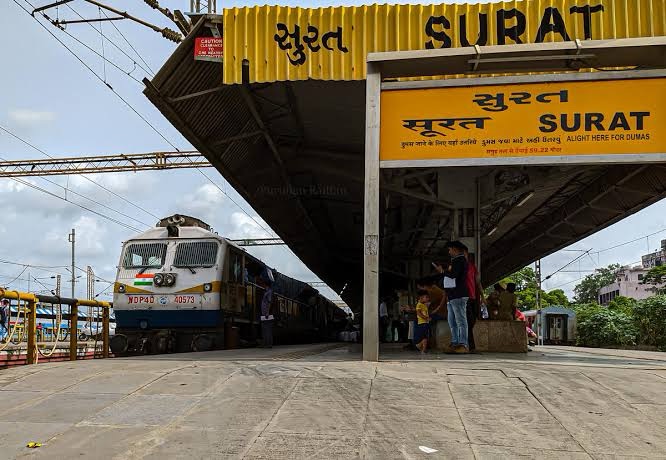
Bringing a Vande Bharat Express to the Surat ↔ Bhavnagar Corridor

Introduction

The western region of Gujarat is rapidly evolving in terms of rail connectivity and infrastructure. The approximately 520–550 km rail corridor between Bhavnagar Terminus (BVC) and Surat Railway Station (ST) remains an important link between Saurashtra and South Gujarat. Given the broader push by the Indian Railways for higher-speed, premium services, the route emerges as a strong candidate for a premium train service such as the Vande Bharat Express.

Recent announcements by the ministry highlight that a Vande Bharat train between Bhavnagar and Surat is under consideration. 

Why This Route Makes Strategic Sense

Distance and Profile

The corridor length of around ~500–550 km fits well with the operational profile of Vande Bharat trains sufficiently long to deliver meaningful journey-time reductions, but not so long as to make multiple intermediate stops or extensive maintenance complexities prohibitive.

Official Announcements & Demand

During a visit to Bhavnagar, Union Railway Minister Ashwini Vaishnaw announced that a Vande Bharat service between Bhavnagar and Surat is planned in the near future.  State-level media report that the service “soon” will be operational between Bhavnagar and Surat, though station works at Surat could delay immediate launch.  Local representation from Bhavnagar MP Nimuben Bambhaniya has affirmed the community demand for Vande Bharat connectivity to Surat. 

Connectivity & Regional Growth

Linking Bhavnagar more directly to Surat an industrial, commercial hub boosts the logistics and passenger network. This route also strengthens Saurashtra’s link to South Gujarat, supporting economic growth, rail-infrastructure development and passenger convenience.

Benefits

For Passengers: Faster, more comfortable travel between Bhavnagar and Surat; day-return feasible; modern amenities. For Railways / Government: Advances the modernisation agenda of Indian Railways; shows investment outside major metro-corridors; better asset utilisation. For the Region: Stronger link between industrial centres; improved mobility; potential uplift in business/trade/commuting. For Infrastructure: Motivates upgrades to track-work, signalling, station facilities along the corridor.

Key Challenges & Considerations

Infrastructure Readiness: Track speed, signalling, station works especially at Surat must support higher average speeds. ABP news flagged that due to works at Surat station, the service cannot be launched immediately.  Scheduling & Pathing: The corridor is already used by freight and other passenger services ensuring a clear path for a high-speed service is essential. Demand Forecasting: Premium services attract higher fares modelling demand on this corridor is essential. Operational Costs/Maintenance: Rolling stock allocation, maintenance facility support, crew training all factor into feasibility. Stop Pattern Trade-off: More halts = greater accessibility; fewer halts = faster journey need the right balance. Launch Timing: Given current station infrastructure works (e.g., at Surat), the “soon” timeframe requires realistic planning.

Outlook & Next Steps

According to official sources:

A survey and preparatory work for the Bhavnagar–Dholera new railway line has been approved, showing broader railway investment in this region.  The announcement by the Minister at Bhavnagar (August 2025) flagged that the Vande Bharat option for Bhavnagar–Surat is being pursued. 

Next steps might include:

Finalising the stop pattern and timetable. Confirming rolling stock allocation (Vande Bharat rake). Ensuring Surat station (and any stops) are fully ready for the service. Publicising the service and integrating ticketing/marketing. Setting a target launch window (e.g., after station-works completion).

Conclusion

The Bhavnagar ↔ Surat corridor is emerging as a strong candidate for a premium high-speed service like Vande Bharat. With official nods, demand signals and regional connectivity imperatives all aligning, the railways have a real opportunity to deliver substantial travel-time savings and service uplift. For stakeholders from passengers to businesses to regional planners, this is a promising development to watch.